First-click vs. last-click attribution — which model actually runs a high-ticket sales floor
Attribution is not a property of your data. It's a property of the question you're asking. Here's when to use each model, and the third one nobody mentions.
There's a version of this debate that happens on LinkedIn every three weeks. Someone posts a carousel about how last-click is "dead." Someone else replies that first-click is "vanity." A hundred people quote-tweet and nothing changes.
The reason the debate never resolves is that the question is wrong.
Attribution is not a property of your data. It's a property of the question you're asking.
The frame
Before you pick a model, pick a decision. Every attribution conversation should start with: what am I about to do with this number?
- Am I deciding whether to buy more ads on this channel? You need a model that tells you how marginal spend affected marginal conversions. Usually last-click on closed revenue, filtered by channel.
- Am I deciding whether to rebuild this funnel? You need a model that tells you where the relationship started. Usually first-click, weighted by LTV.
- Am I deciding which rep needs coaching? Attribution is irrelevant. You want rep performance on closed calls, period.
- Am I deciding how much to pay an affiliate? You need a specific, contract-defined model, and it's probably neither first nor last.
Stop asking "which model is right." Start asking "what decision is this number about to inform."
When first-click is right
First-click attribution answers: where did this customer enter my world?
It's the right model when:
- You're evaluating top-of-funnel creative that may not close today but seeds future bookings.
- You're measuring brand channels — podcasts, newsletter sponsorships, organic social — whose job is awareness, not conversion.
- You're building a content strategy and need to know which piece started the customer on the path.
- You're deciding whether to kill a legacy campaign that's "not converting" but is actually sourcing the majority of your qualified pipeline six weeks later.
First-click is generous. It gives every touchpoint the credit for introducing the relationship. That's sometimes what you need and sometimes what you don't.
When last-click is right
Last-click answers: what closed this deal?
It's the right model when:
- You're measuring retargeting performance — the whole point is that it fires at the bottom.
- You're evaluating bottom-funnel offers like "book a call" or "claim your slot."
- You're running a short sales cycle (under 14 days) where first-click and last-click are usually the same touchpoint anyway.
- You're comparing two competing closers at the bottom of the funnel — two landing pages, two ad variants, two closers on the phone.
Last-click is sharp. It tells you what happened in the last six hours before the conversion. That's sometimes everything and sometimes nothing.
A quick rule: if you'd feel personally betrayed by the answer, you're using the wrong model.
The third model
Both first and last ignore what actually happens in a high-ticket sales motion: the sales call itself is the conversion event.
Not the form fill. Not the booking. The call.
The third model is: attribute every closed deal to the touchpoint that was live when the prospect booked the call. It treats the booking as the conversion, because for high-ticket, it is. The ad isn't competing with other ads for a click — it's competing with other ads for a showed, qualified, closed conversation.
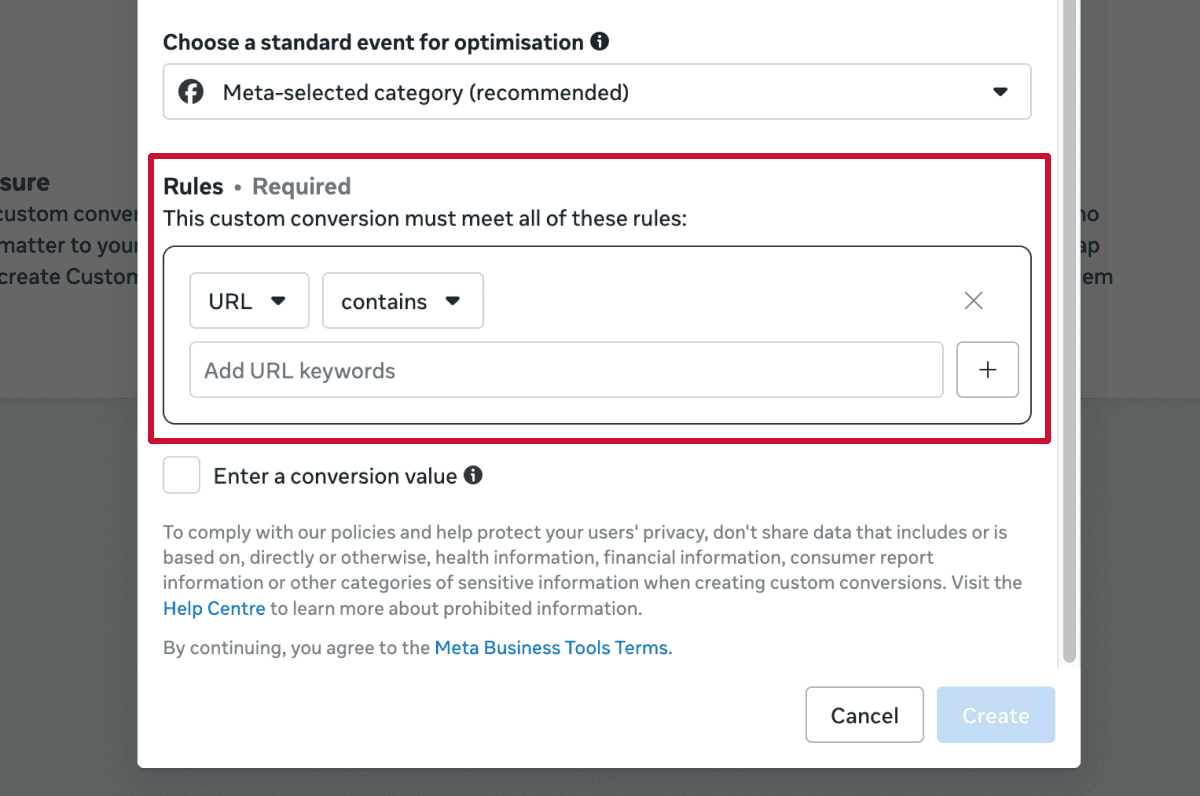
In Callix we call this booking-click attribution, and it's what drives our Meta CAPI payloads by default. When a call closes, we fire a HighTierCall event against the campaign that was active on the prospect's booking session — not first touch, not last touch, booking touch.
For high-ticket operators running 7-to-21-day sales cycles, booking-click is usually the right default. First-click over-credits the top of the funnel; last-click over-credits the post-booking nurture emails; booking-click actually matches the economics of the business.
What Callix defaults to
In the dashboard:
- Report widget — first-click or last-click, user-selectable per widget. If you don't pick, we default to last-click because that's what most operators reach for first.
- Table View — same choice, applied to how we bucket calls into campaigns and ad sets.
- CAPI payloads to Meta — booking-click, always. Meta's auction learns faster from booking-click than from last-click, because last-click conversions happen too late in the funnel to influence bidding.
The takeaway is not "use Callix's defaults." It's: pick the decision first, pick the model second. If you can't articulate the decision in one sentence, don't touch the attribution toggle.